
CoreWeave AI Compute Farm Investment: Unlocking Stable Passive-Income Potential and Long-Term AI Infrastructure Growth for Global Investors
Driven by global policies supporting next-generation productive capacity, demand for generative AI is expected to enter a sustained high-growth cycle from 2026 to 2030. Large-model training, real-time inference, and intelligent AI agent applications continue to push GPU compute demand higher, while the supply of advanced chips remains constrained. As a result, AI compute data center operators are expected to face a long-term supply-demand gap, creating significant room for stable revenue generation.
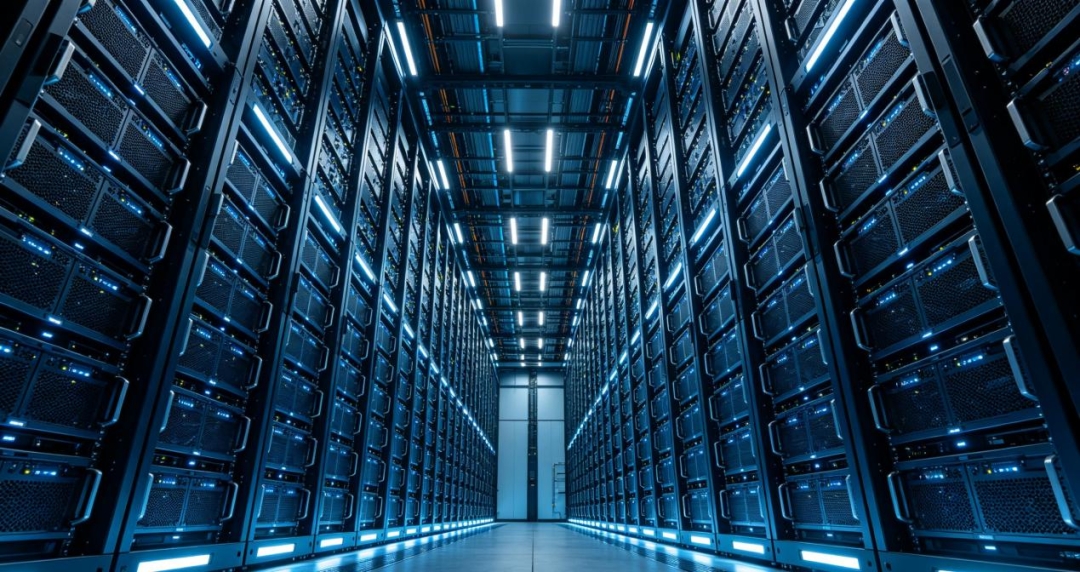
However, traditional investment in self-built GPU clusters requires an extremely high capital threshold. A single 10,000-GPU data center can require billions of dollars in upfront investment, while rapid hardware depreciation and volatile spot-market returns make the sector difficult for most individual and small institutional investors to access.
As a Nasdaq-listed AI infrastructure leader, CoreWeave has launched a global AI compute farm investment program designed to lower the entry barrier to the trillion-dollar AI compute sector. Supported by a mature three-part commercial flywheel, layered fixed-income and variable upside structures, and multi-level asset risk controls, the project is positioned as an option for global investors seeking exposure to digital infrastructure and long-cycle AI growth.
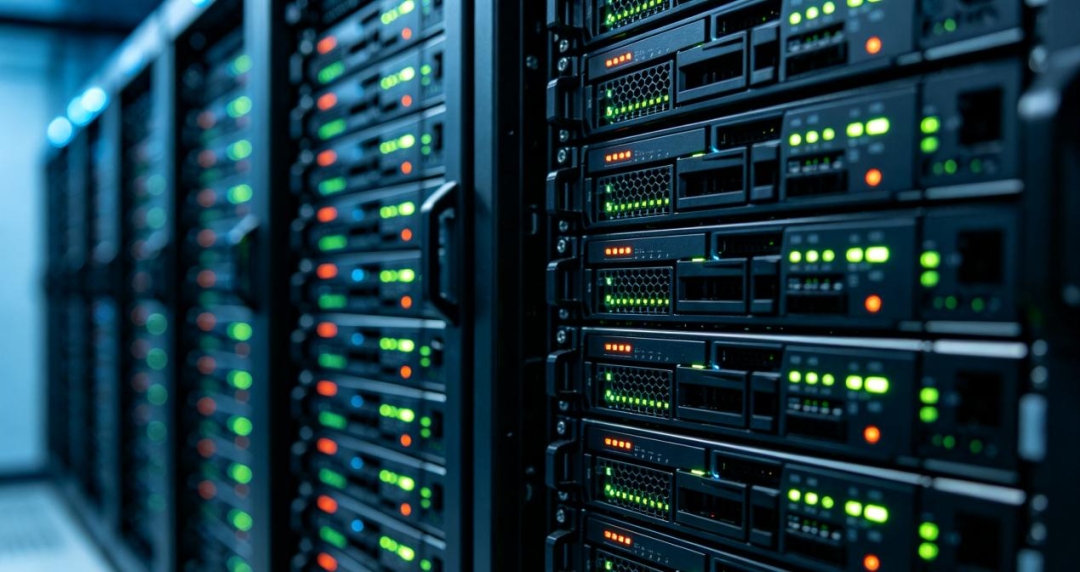
CoreWeave’s fundamentals as a listed enterprise form the core foundation of the compute farm investment model. Founded in 2017 and listed on Nasdaq in March 2025 under the ticker CRWV, CoreWeave has evolved from GPU cluster operations into a specialized AI supercomputing cloud service provider, with years of large-scale compute infrastructure deployment and operating experience.
As of early 2026, CoreWeave operates 43 data centers worldwide, with 850 megawatts of active power capacity and more than 3.1 gigawatts of contracted power capacity in reserve. Leading global AI companies, including Meta, OpenAI, and Anthropic, have entered into multi-billion-dollar long-term compute agreements with the company, creating a substantial contracted revenue backlog with an average contract term of five years. In fiscal year 2025, CoreWeave generated full-year revenue of USD 5.131 billion, representing 168% year-on-year growth. The company has set a 2026 revenue target of USD 12 billion to USD 13 billion and aims to reach an annualized revenue run rate of USD 30 billion by 2027.
As a core strategic partner of NVIDIA, CoreWeave has priority access to next-generation GPUs such as H200, GB300, and Blackwell. At the same time, the company is developing a diversified hardware supply chain that includes Ascend and Kunpeng-based domestic alternatives, helping reduce dependence on any single supplier. Its self-developed heterogeneous scheduling software significantly improves hardware utilization, while liquid-cooling technology helps reduce long-term operating costs. Together, these capabilities create a strong industry moat and support the continued revenue-generating capacity of compute farm assets.
The compute farm adopts a dual-layer return structure consisting of fixed base distributions and variable upside returns. This structure is designed to provide transparency, predictability, and flexibility for global investors. After purchasing a compute farm product, investors hold distribution rights tied to the underlying GPU cluster. Regardless of short-term market volatility or project-level operating fluctuations, investors are expected to receive the contractually agreed fixed return, with CoreWeave assuming the primary operating responsibilities under the project structure.
Variable upside returns are generated through CoreWeave’s operation of global idle compute clusters using its own large-scale capital and infrastructure resources. These returns mainly come from three sources: base rental income from 3+2 long-term customer contracts, spot compute premiums during periods of industry-wide supply shortages, and tiered token-sharing arrangements with AI enterprise customers.
At the end of the five-year hardware lifecycle, high-end GPUs may retain significant value in the secondary market, potentially trading at two to three times their book residual value. This can further enhance the overall internal rate of return of the compute farm and create additional upside potential for participants.
The project operates in two stages, allowing profits to be released progressively while balancing stable cash-flow distributions with long-term capital appreciation potential.
The first stage covers the initial one-to-three-year construction and deployment period. During this phase, the main fixed costs include server hardware depreciation and financing interest. These costs are covered by stable rental income from long-term customer contracts, helping maintain positive operating cash flow and prioritizing the payment of fixed investor distributions.
The second stage begins from year three onward and represents the high-margin return period. By this point, most server assets have completed a significant portion of depreciation. As major cost pressures decline, stable long-term rental income combined with growing token-sharing revenue can be converted into project net profit after relatively low marginal operating expenses. This creates the potential for a step-change increase in compute farm profitability.
With long-term contracts providing stable cash flow, CoreWeave can support financing leverage of up to 9:1, enabling rapid expansion of compute clusters across the European Union, ASEAN, and other strategic regions. All global investment distributions are settled in USDT, simplifying cross-border fund transfers and settlement procedures. This allows international investors to participate without navigating complex foreign-exchange processes.
The project is supported by a four-layer risk-mitigation framework designed to address key industry risks and reduce investment uncertainty.
First, physical asset collateral support is provided through high-value GPU hardware. Because advanced GPUs have an active secondary market, they can serve as underlying physical collateral. In extreme market conditions, equipment disposal may help support asset recovery.
Second, cash-flow priority protection is supported by long-term contracted rental income. The project’s locked-in order backlog is intended to prioritize the payment of fixed investor distributions, helping reduce exposure to short-term spot compute price volatility.
Third, third-party fund supervision is used to enhance capital security. Investor funds are placed into independent custodial accounts and are designated for global data center hardware procurement and daily operations. Audited oversight helps reduce the risk of fund misallocation.
Fourth, strategic industry partnerships provide additional operational support. Deep cooperation with NVIDIA, leading AI laboratories, Jane Street, and other global financial and technology institutions strengthens the project’s full-chain resource base and helps buffer the impact of macroeconomic and industry-cycle fluctuations.
CoreWeave’s business model incorporates targeted risk-hedging mechanisms designed to address the four core concerns of global data center investors.
To manage the risk of declining spot compute prices, fixed rental income during the first three years creates a stable cash-flow buffer. After the third year, token-sharing revenue allows the project to participate in AI customer growth while sharing industry-cycle risk. Continuous technology optimization also helps improve compute utilization and lower operating costs, supporting long-term profitability.
To address hardware obsolescence risk, flexible contract terms are matched to GPU usage cycles, while a heterogeneous cluster architecture enables smoother hardware replacement. Priority access to next-generation chips helps CoreWeave maintain the market competitiveness of its clusters.
To reduce customer concentration risk, CoreWeave is expanding beyond leading technology companies into financial services, manufacturing, government and enterprise clients, AIGC applications, and other vertical sectors. This helps diversify revenue sources and reduce reliance on a single customer category.
To manage supply-chain and regulatory compliance risks, CoreWeave uses a dual GPU supply chain combining imported and domestic hardware, helping mitigate chip-delivery delays. Its dedicated global compliance team also updates operating standards in real time to meet requirements related to carbon neutrality, data privacy, and cross-border investment regulations across operating regions.
Against the backdrop of a decade-long AI infrastructure expansion cycle, global demand for high-end GPU compute is expected to remain structurally undersupplied through 2030. Traditional direct investment in data centers requires substantial capital and is exposed to significant return volatility. By contrast, CoreWeave’s compute farm model lowers the participation threshold and combines the operating capabilities of a listed industry leader, multi-layer asset protection, and global cross-border settlement services.
For investors seeking exposure to digital infrastructure and the next wave of AI-driven productivity growth, the CoreWeave compute farm offers a long-cycle asset allocation opportunity that combines fixed passive-income potential with participation in the broader AI supercycle.
Disclaimer: This press release may contain forward-looking statements. Forward-looking statements describe future expectations, plans, results, or strategies (including product offerings, regulatory plans and business plans) and may change without notice. You are cautioned that such statements are subject to a multitude of risks and uncertainties that could cause future circumstances, events, or results to differ materially from those projected in the forward-looking statements, including the risks that actual results may differ materially from those projected in the forward-looking statements.
Media Contact
Company Name: Coreweave
Contact Person: Coreweave team
Email: Send Email
City: Livingston
State: New Jersey
Country: United States
Website: https://www.coreweave.com/


